








Ticks and your dog in Scotland
Ticks on dogs are common on Highland trails. Spring and autumn are the worst, but they’re around any time the temperature is above about 7°C, which is most of the year on the west coast. The good news: a daily check is enough for most trips, and a single tick (caught quickly) is rarely a problem. Here’s the practical version. (See our pet-friendly hire page for what’s included when you bring the dog.)
How risky are ticks on dogs?
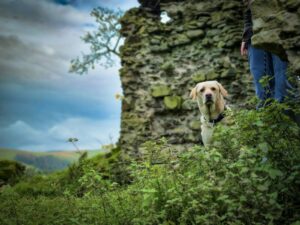
The risk isn’t the bite itself; it’s Lyme disease, which a small percentage of ticks carry and which can transmit if a tick stays attached for around 24 hours. Most Scottish ticks pick up dogs from moorland and bracken, especially trails through deer territory. The dog brushes against waist-high vegetation, the tick climbs aboard, and you find it that evening or the next morning.
So the job is two-part: prevent ticks attaching (treatment), and catch any that do within 24 hours (daily check + quick removal).
Treatment: spot-on or tablet
Two options work for a Scottish trip: a monthly spot-on liquid, or a long-acting prescription chew. Most owners pick one or the other; they’re broadly equivalent for tick coverage.
If your dog is already on a year-round flea-and-tick programme from your vet, you’re covered. If they’re not, talk to your vet two or three weeks before the trip; this is the kind of thing they’ll handle in a five-minute appointment.
The daily check
Even with treatment, do a check at the end of every day on the trail. Ticks bite first and die from the treatment afterwards, so a thorough preventative still leaves dead ticks on the dog overnight; a daily comb-through finds them and gets them off. It’s a five-minute job at the pitch in the evening, and the kids can help; the dog generally enjoys the fuss.
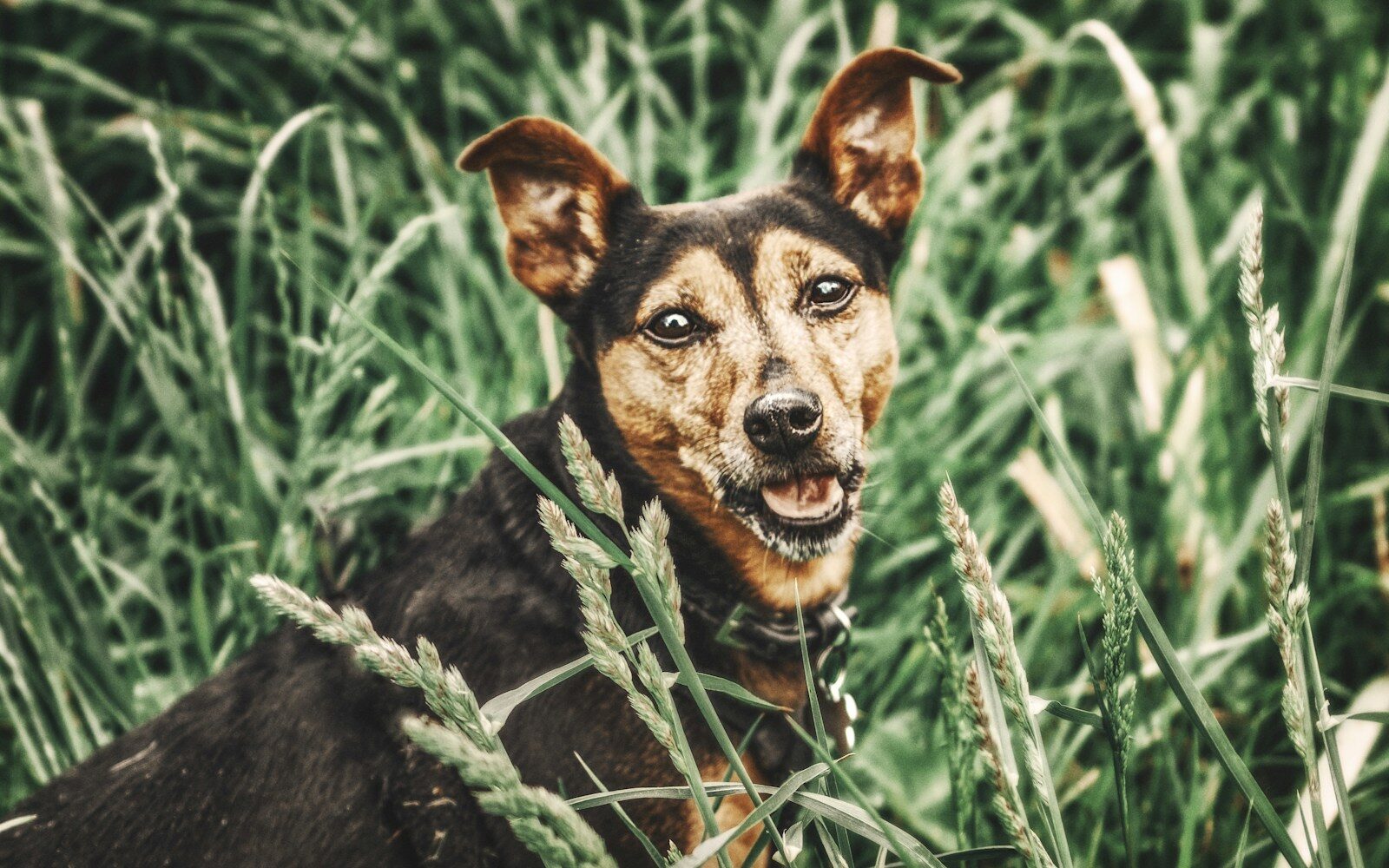
Where to look: around the ears, the muzzle, the armpits, the groin, between the toes. Run your fingers through the coat in those areas and you’ll feel a tick as a hard bump where there shouldn’t be one. Most ticks attach above the elbows, where the dog’s coat is thinnest. Run a second check a few hours later or the next morning. Ticks attach within hours of being picked up, and a missed one from the trail will be findable by then.
Getting a tick off cleanly
Use a tick hook: a small plastic claw that slides under the tick and lifts cleanly without breaking the head off in the skin. Buy one from any vet or larger pet shop before you travel, or order one online a week before you go. The O’Tom Tick Twister is the well-known brand and costs a couple of pounds; any equivalent works.
What not to use:
After removal, clean the bite with whatever antiseptic is in your dog first-aid kit (or just soap and water). Watch the spot for a week: a bull’s-eye rash or a hot, swollen patch around the bite is a reason to get to a vet. A small red dot that fades over a few days is normal.